GEPCO Meter Reading Guide: Reading Date, Units, and Billing Explained
GEPCO meter reading is an important part of the electricity billing process. Every month, the electricity meter installed at your home, office, shop, or business records the amount of electricity consumed. Based on this meter reading, GEPCO calculates your electricity units and prepares your monthly bill.
Understanding meter readings can help consumers track electricity consumption, verify billed units, and avoid billing disputes. It also allows consumers to monitor their energy usage and manage electricity costs more effectively.
What Is GEPCO Meter Reading?
GEPCO meter reading refers to the process of recording the electricity units consumed by a consumer during a billing period. A meter reader visits the property and notes the current meter reading shown on the electricity meter.
The recorded reading is used to calculate monthly electricity consumption. The difference between the previous reading and the current reading determines the number of units consumed during the billing month.
Meter reading is an essential part of the electricity billing system because it ensures consumers are charged according to their actual electricity usage.
How Does GEPCO Meter Reading Work?
Monthly Meter Reading Process
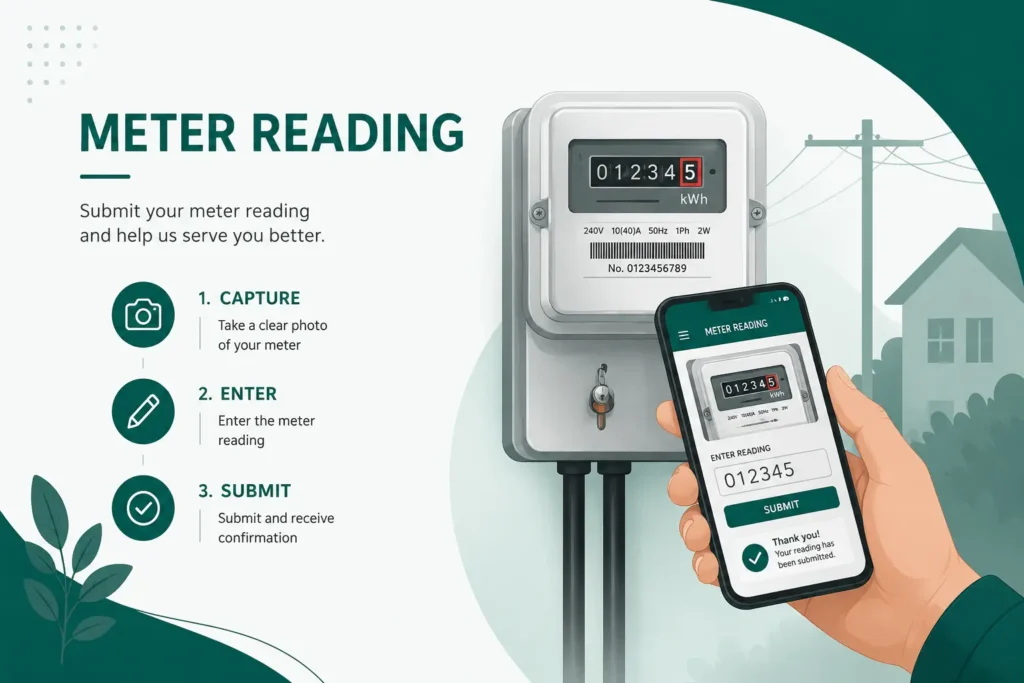
GEPCO generally records electricity meter readings once every month. A meter reader visits the consumer’s premises and notes the reading displayed on the electricity meter.
The collected data is then entered into the billing system for bill generation.
How GEPCO Records Electricity Usage
Electricity meters continuously measure the electricity consumed by appliances, lights, air conditioners, fans, refrigerators, and other electrical equipment.
The meter reading shows the total electricity units consumed since the meter was installed.
Manual and Digital Meter Reading
Some consumers use traditional meters that require manual readings. Others may have digital or smart meters that automatically record electricity consumption more accurately.
Both systems are used to determine monthly electricity usage and prepare electricity bills.
How Are GEPCO Units Calculated?
Electricity units are calculated using a simple formula.
Electricity Unit Calculation Formula: Units Consumed = Current Reading − Previous Reading
Example of Meter Reading Calculation:
Previous Reading | Current Reading | Units Consumed |
12,500 | 12,850 | 350 Units |
In this example, the consumer used 350 electricity units during the billing period. Checking this calculation can help consumers verify the accuracy of their electricity bills.
Once you know your units consumed, you can use the GEPCO Bill Calculator to estimate your monthly electricity bill, including applicable electricity charges and taxes.
Understanding Meter Reading Details on a GEPCO Bill
Previous Reading
The previous reading is the meter value recorded during the last billing cycle.
Current Reading
The current reading is the latest meter value recorded during the current billing period.
Reading Date
The reading date is the date when the meter reading was taken by GEPCO.
Units Consumed
Units consumed represent the difference between the current reading and the previous reading.
Billing Month
The billing month indicates the period for which the electricity bill has been issued.
How to Check Your GEPCO Meter Reading
Check the Reading on Your Electricity Meter
Locate your electricity meter and note the numbers displayed on the screen or dial.
Compare It With Your Bill
Compare the current reading shown on the meter with the reading mentioned on your electricity bill.
Verify Units Consumed
Calculate the difference between the current reading and the previous reading to confirm the billed units.
This simple verification process can help identify billing errors or incorrect readings.
What Is the GEPCO Meter Reading Date?
The meter reading date is the day when GEPCO records the reading from your electricity meter. This date is important because it determines the billing period and the units included in the monthly bill.
Consumers often confuse the meter reading date with the bill issue date or due date. However, all three dates serve different purposes.
- Meter Reading Date: The day the meter reading is recorded.
- Bill Issue Date: The day the electricity bill is generated.
- Due Date: The last date for bill payment without surcharge.
Understanding these dates helps consumers better understand their electricity bills.
Types of Electricity Meters Used by GEPCO
Different types of electricity meters are used to measure electricity consumption.
Analog Meter
An analog meter uses a rotating disc and a mechanical display to record electricity usage.
Digital Meter
A digital meter displays electricity consumption electronically and is generally easier to read.
Smart Meter
Smart meters can automatically record and transmit electricity consumption data, improving billing accuracy and efficiency.
Each meter type serves the same purpose of measuring electricity usage.
Common Meter Reading Problems
Incorrect Meter Reading
Human error during meter reading can sometimes result in incorrect billing.
Estimated Reading
If a meter reader cannot access the meter, estimated readings may be used temporarily.
Meter Access Issues
Locked gates, inaccessible meters, or absent consumers can prevent proper meter reading.
Pro-Rata Billing Adjustments
In some situations, billing adjustments may be applied when the billing period is shorter or longer than usual.
Tips to Monitor Your Electricity Consumption
Monitoring electricity usage can help reduce energy costs.
- Record your meter reading regularly.
- Compare monthly electricity consumption.
- Use energy-efficient appliances.
- Turn off unused electrical devices.
- Monitor seasonal increases in electricity usage.
- Check your electricity bill every month.
These habits can help improve energy management and reduce electricity expenses.
What Should You Do If Your Meter Reading Is Wrong?
If you believe your meter reading is incorrect, follow these steps:
- Take a clear photo of the electricity meter.
- Compare the actual reading with the bill.
- Keep copies of previous bills for comparison.
- Contact your local GEPCO office.
- Request meter verification if necessary.
Reporting errors quickly can help prevent billing disputes and unnecessary charges.
Frequently Asked Questions (FAQs)
Final Words
Understanding GEPCO meter reading helps consumers verify electricity usage, calculate units consumed, and understand their monthly bills. By regularly checking meter readings, reading dates, and billing information, consumers can identify errors early and better manage their electricity consumption. Staying informed about meter readings also helps improve billing accuracy and supports effective energy management.